
Rising competition, shrinking margins, and increasing distributor pressure have changed how brands compete. Traditional trade schemes and discount-led pushes are no longer enough. What’s emerging in their place is a more sustainable, measurable approach: channel loyalty programs.
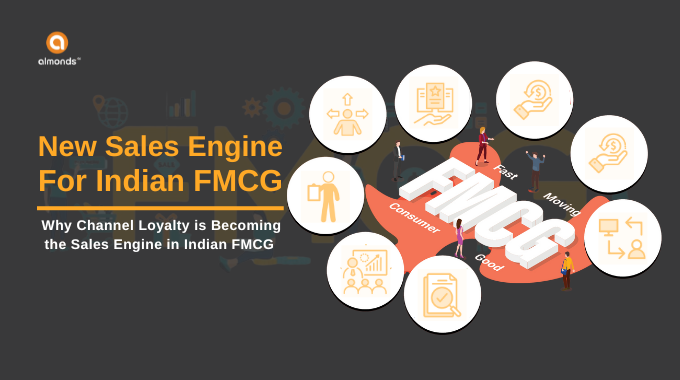
For FMCG brands operating in India’s fragmented retail ecosystem, channel loyalty is no longer a marketing initiative but a sales engine.
The Shift from Trade Schemes to Channel Loyalty Programs
For years, FMCG brands relied heavily on trade discounts, quarterly schemes, and volume-based incentives to drive secondary sales. While these methods worked when competition was limited, today they struggle to deliver predictable results.
Retailers now engage with dozens of brands offering similar discounts. When incentives look the same, loyalty disappears. Channel partners become transactional — they sell what pays today, not what builds long-term value.
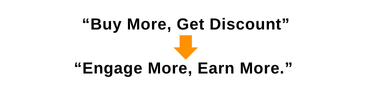
This is where channel loyalty programs fundamentally change the equation. Instead of short-term pushes, they create continuous engagement. Retailers earn value not just for buying, but for consistency, advocacy, and participation.
Loyalty shifts the relationship from:
 Why Indian FMCG Brands Needed Channel Loyalty in 2026
Limited Field Force Coverage
Even mid-sized FMCG brands struggle to maintain consistent feet-on-street coverage across geographies. Large brands can afford weekly store visits; most others cannot.
A channel loyalty platform acts as a digital extension of the sales team. Through mobile apps and WhatsApp nudges, brands stay present even when sales reps aren’t physically visiting outlets. Retailers receive reminders, updates, and incentives automatically, keeping the brand top-of-mind.
Low Retail Visibility at the Counter
Shelf space in Indian retail is competitive and expensive. When visibility falls short, brands lose mindshare instantly.
What retailers often prioritize instead is brands that reward them consistently. A retailer who earns points, cashback, or rewards for every invoice is more likely to stock, display, and recommend that brand, even without expensive visibility materials.
This is where retailer loyalty programs outperform traditional trade marketing.
Lack of Real-Time Channel Data
One of the biggest disadvantages for FMCG SMBs is the absence of actionable data. Most rely on distributor reports, which often arrive late and lack granularity.
With a digital channel loyalty system, every invoice becomes a data point. Brands can see which retailers are active, which SKUs move faster, and where sales are slowing — all in real time.
Data turns loyalty from a cost center into a decision-making engine.
How Channel Loyalty Programs Drive Sales
Instant Rewards Build Faster Trust
In traditional schemes, rewards are delayed by weeks or months due to manual validations and claim cycles. This delay erodes excitement and trust.
Modern instant reward-based fmcg loyalty programs change this dynamic. Retailers receive cashback, UPI rewards, or digital vouchers immediately after verification. The psychological impact is powerful — instant gratification reinforces behavior far more effectively than larger but delayed incentives.
For FMCG brands, speed of rewards often matters more than size.
Consistency Beats Campaigns
Big brands run schemes every month. Smaller brands often run two or three per year, creating long engagement gaps.
A channel loyalty program replaces episodic schemes with continuous micro-engagement. Weekly challenges, milestone bonuses, and streak-based rewards keep retailers involved throughout the year — not just during scheme periods.
Consistency builds habits. Habits drive repeat sales.
Gamification Encourages Daily Participation
Gamification isn’t about games; it’s about behavior design. When retailers unlock rewards for uploading invoices, completing targets, or maintaining streaks, participation increases naturally.
Well-designed gamified loyalty programs convert passive retailers into active brand advocates. Instead of waiting for discounts, partners engage proactively because progress is visible and rewarding.
Why Channel Loyalty Outperforms Discounting
Discounts reduce price. Loyalty builds value.
Across FMCG categories, brands are realizing that blanket discounting erodes margins without guaranteeing retention. Loyalty, on the other hand, delivers targeted incentives only to partners who drive real outcomes.
A data-driven loyalty program ensures that rewards are linked to behavior — repeat orders, SKU expansion, and advocacy — not just participation.
This precision is why loyalty delivers better ROI than discounts over time.
What FMCG Brands Should Look for in a Channel Loyalty Platform
The effectiveness of loyalty depends on execution. FMCG brands should prioritize platforms that are:
- Mobile-first, suited for India’s retailer base
- Capable of instant rewards (UPI, cashback, vouchers)
- Equipped with invoice validation and fraud detection
- Able to deliver real-time analytics and dashboards
- Easy to onboard retailers digitally via QR or WhatsApp
SaaS-based loyalty platforms make these capabilities accessible without heavy IT investment or long implementation cycles.
Why Channel Loyalty Will Shape FMCG Sales in 2026
As margins tighten and competition intensifies, FMCG brands will increasingly rely on loyalty-led growth instead of discount-led volume.
Brands that invest early in channel loyalty programs will benefit from stronger retailer relationships, predictable sales cycles, and better data visibility — advantages that compound over time.
Platforms like Kounter by Almonds Ai reflect this shift, enabling brands to operationalize loyalty at scale without complexity. But the underlying truth remains universal:
The brands that win channel loyalty will win the market.
FAQs
Q: What are channel loyalty programs in FMCG?
A channel loyalty program rewards retailers and distributors for consistent engagement and sales, not just bulk purchases.
Q: Why are channel reward programs better than discount schemes?
Channel reward programs build long-term engagement and predictable sales, while discounts only drive short-term volume.
Q: How does channel loyalty increase FMCG sales?
By rewarding consistency, improving retailer visibility, and enabling data-driven incentives, loyalty programs drive repeat orders and advocacy.